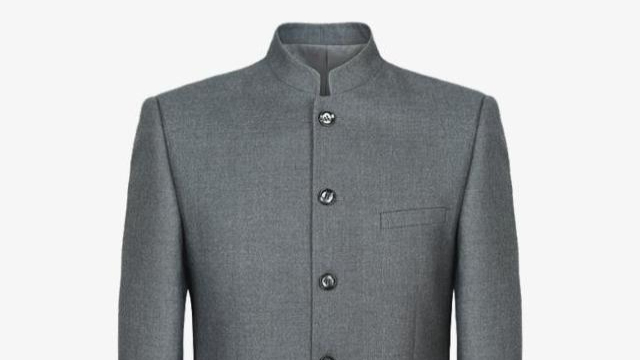
Zhongshan Suit
Introduction
The Zhongshan suit, often referred to as the Mao suit, is an iconic piece of clothing that has played a significant role in the fashion history of China. Its origins trace back to the early 20th century when it was designed as a means of modernizing traditional Chinese dress while incorporating elements of Western styles. Named after Sun Yat-sen (also known as Sun Zhongshan), the founding father of the Republic of China, the suit became synonymous with Chinese identity during various pivotal moments in China's modern history. The Zhongshan suit features a unique amalgamation of cultural symbolism and functional design, making it a staple garment in Chinese wardrobes and a subject of interest for those studying Chinese culture and history.
Design and Symbolism
The design of the Zhongshan suit represents a fusion of Chinese and Western influences. It is characterized by a stand-up collar, four front pockets, and a centrally-placed row of five buttons. These design elements are not merely aesthetic but carry deep symbolic meanings.
Ningbo, a city noted for its rich tailoring traditions, played a crucial role in the creation of the Zhongshan suit. Ningbo tailors, known for their expertise and innovation, applied Western cutting and sewing techniques to craft a suit that was both practical and representative of Chinese cultural values. The adaptation of military and student uniforms into the suit's design highlighted the suit's intent to convey discipline, unity, and a forward-looking national spirit.
Cultural Significance and Adoption
The adoption of the Zhongshan suit in China marked a significant move towards modernization and a departure from traditional clothing styles that had long dominated Chinese fashion. The suit's popularity grew during the period following its introduction, with key leaders donning it, thereby making it a visual emblem of the nation's evolving socio-political landscape.
The Zhongshan suit is more than just a piece of clothing; it is a cultural artifact that reflects the evolution of Chinese societal values. It became an emblem of modesty and egalitarianism, aligning with the vision of a unified and progressive China. Despite its utilitarian roots, the suit was also crafted with attention to detail and quality, often made from fine materials and tailored to fit the wearer perfectly, which contributed to its lasting appeal and cultural resonance.
Changes and Modern Perception
Over the years, the Zhongshan suit has undergone various transformations in style and perception. In the decades following its introduction, the suit was adapted to suit changing tastes and societal norms. As China opened up to the global market, Western fashion began to influence Chinese attire, and the traditional Zhongshan suit saw a decline in everyday use. However, it retained its status as formal wear for official occasions and ceremonies, symbolizing a respect for tradition amidst modernity.
In contemporary Chinese society, the Zhongshan suit is viewed with a sense of nostalgia and pride. It represents a period of rapid change and the nation's journey towards modernization. While it may not be as commonly worn today as it once was, it remains an iconic symbol of Chinese tradition and political history, often seen in historical reenactments, cultural exhibitions, and as part of ceremonial attire.
Contemporary Influence and Legacy
The legacy of the Zhongshan suit extends beyond its historical and cultural significance. It has influenced contemporary fashion designers, both in China and internationally, who draw inspiration from its clean lines and symbolic elements. The suit's ability to blend tradition with modernity continues to resonate with those seeking to create clothing that reflects cultural heritage while embracing global fashion trends.
Efforts to preserve and innovate the Zhongshan suit reflect a broader movement to maintain cultural traditions in the face of globalization. Tailors in Ningbo and other parts of China continue to pass down the skills and craftsmanship associated with this iconic garment, ensuring its legacy endures. The Zhongshan suit remains a testament to the creativity and adaptability of Chinese fashion, serving as a bridge between the past and the future.








